The Kingdom Piano Service

Professional Piano Tuning & Repair Services

Piano · Studio · Mobile Recording
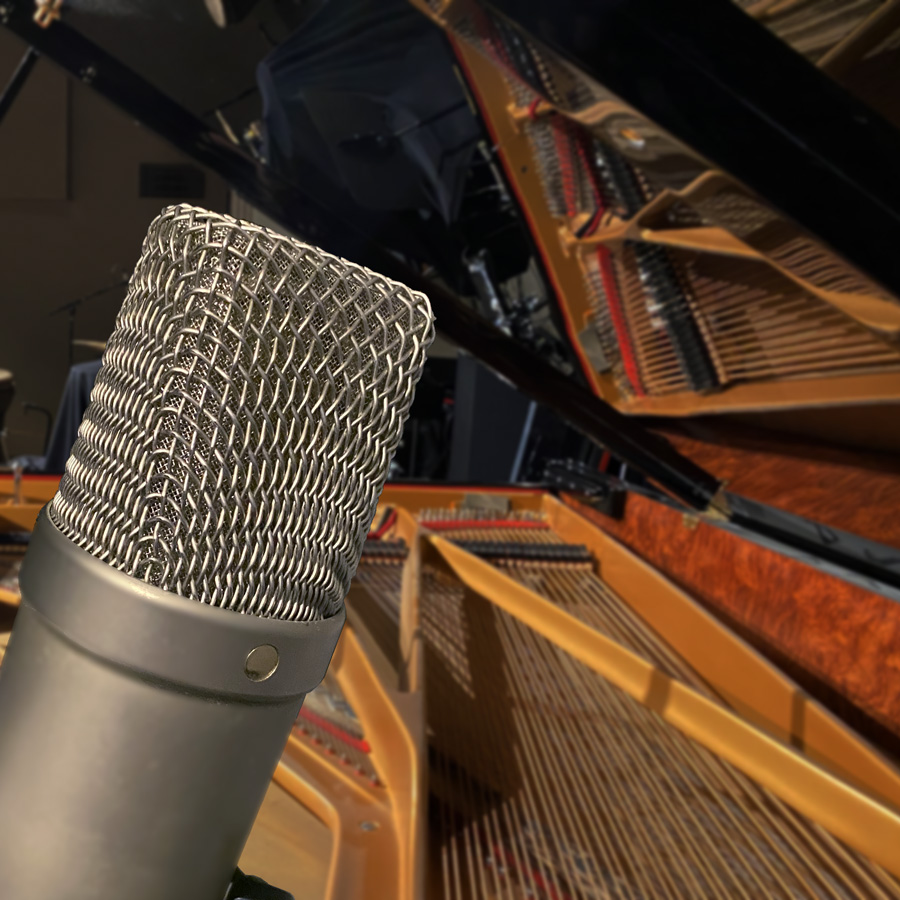
Piano recording session
Piano Technician · Sound Engineer · Dallas Area

Recording the Piano —
A Serious Craft

The piano is the most acoustically complex instrument in existence. It spans the widest range of any instrument — from the deepest bass to the highest treble — with a dynamic range that can whisper and thunder in the same phrase.

Unlike most instruments, it radiates sound in every direction at once, filling a room with layers that no single microphone can fully capture.

That's why recording a piano well is genuinely difficult — and why a camera microphone or a single-point recorder will never do it justice.

If you want an audio track that truly reflects how your instrument sounds, I can help.
Where It All Began

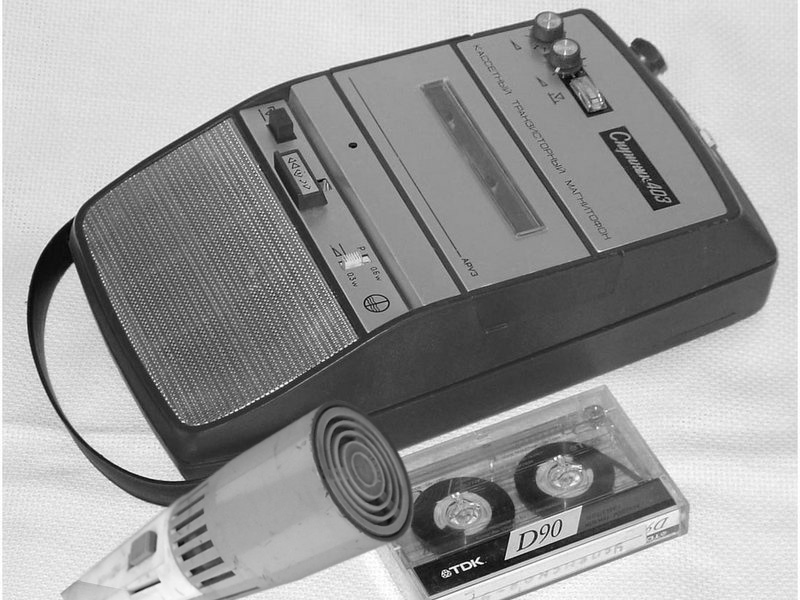
It started with a Soviet-made cassette recorder — a Sputnik 403, purchased by my mother sometime around 1978. It came with a basic little microphone, and I was already studying at a music school at the time, with an upright piano from Moscow's Lira factory standing in my room.

I began recording my improvisations. The sound was terrible, of course. But that hardly mattered.

I also managed to ruin quite a few of my mother's favourite cassettes in the process — I never bothered to check what was already on them. I would simply grab a tape, sit down at the piano, and record over whatever was there. Ella Fitzgerald, Soviet bards, classical recitals — gone, replaced by the enthusiastic experiments of a ten-year-old.

It was the beginning of a lifelong passion.

Sputnik 403 cassette recorder, c. 1978
Recording session, drama theatre radio booth

The First Album

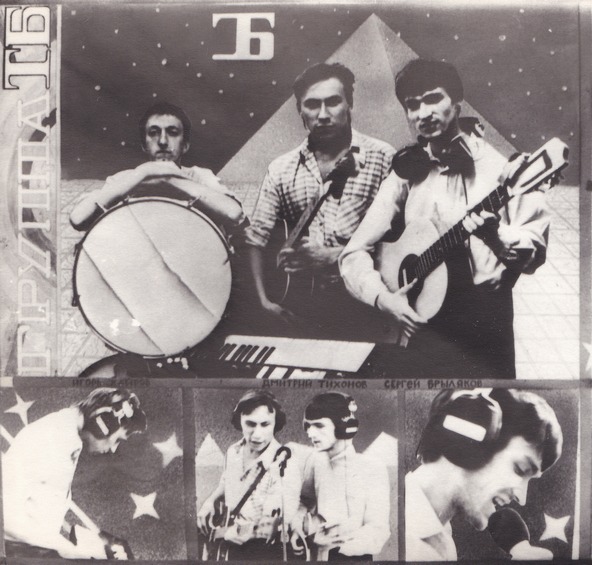
The first proper album — recorded in 1988, around ten tracks — was recorded with my friends Sergei and Igor in the radio booth of a drama theatre. The conditions were far from studio-standard, but considerably better than nothing.

Those were the final years of the Soviet Union. Professional recording equipment was simply out of reach, so we worked with whatever we had and however we could. We did have one invaluable resource, though — a Russian-language edition of Joel Tall's Techniques of Magnetic Recording, published in the USSR, which turned out to be enormously helpful.

Later, we modified a Soviet reel-to-reel tape recorder into a 4-track machine — capable of recording each track independently while monitoring the other three simultaneously. It was a breakthrough. We went on to record several more albums using guitars, drums, and of course, piano.

The Studio Years

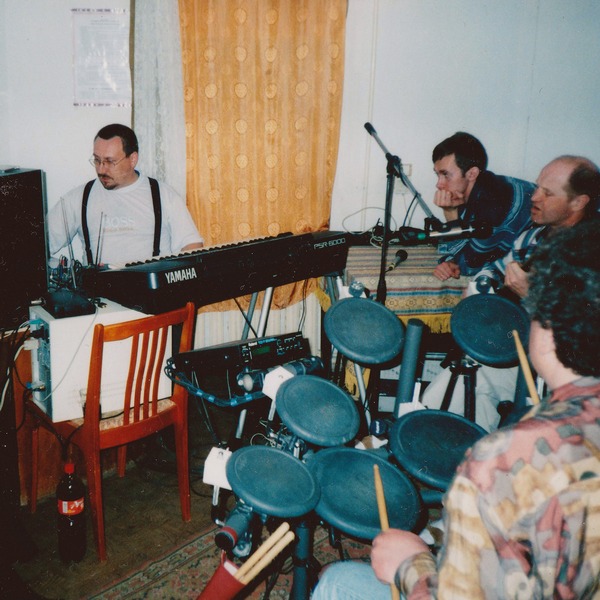
In the mid-2000s, I established my own recording studio — running it alongside my work as a piano technician at various cultural institutions. What had begun as a lifelong passion for sound finally found a professional home.

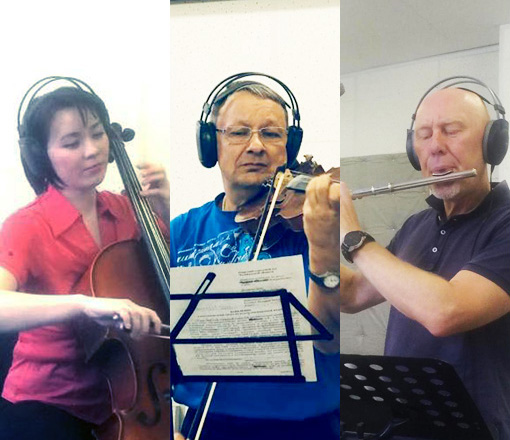
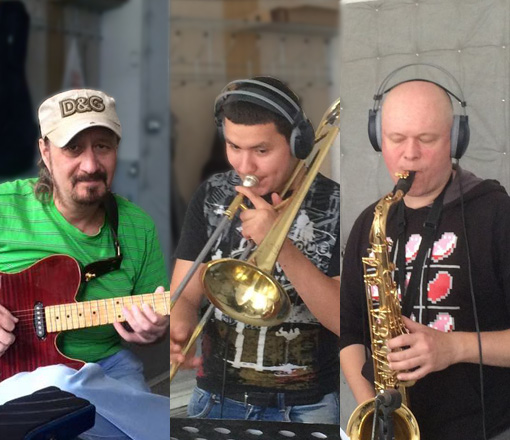
Over the years, a remarkable number of talented musicians passed through those sessions — guitarists, drummers, brass and wind players, string ensembles, solo vocalists, and full choirs. The music was equally varied: rock and pop, jazz, classical, reggae, country, folk, and everything in between.

Recording studio session
Musicians in the studio

Those sessions left behind a wealth of wonderful memories — and a deep appreciation for the sheer breadth of musical expression.

I have a particular love for classical music, but in truth, genre matters very little. There are only two kinds of music: music that is genuinely talented, and everything else. I have been fortunate enough to work almost exclusively with the former.

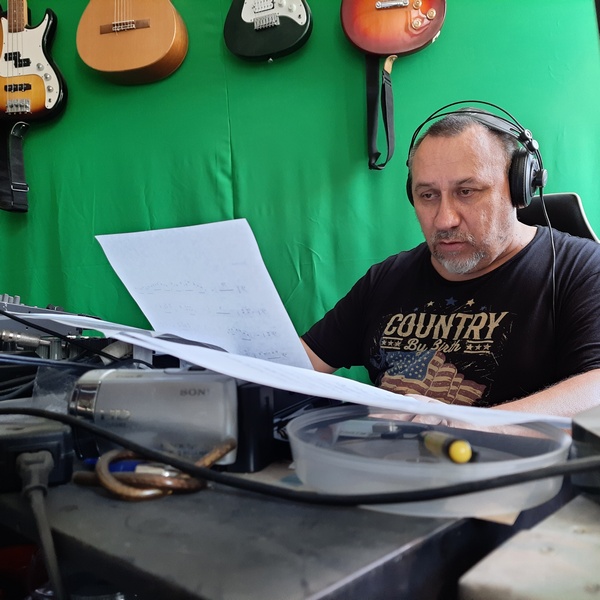
Recording studio
Recording studio
Recording studio

On the Road — Arranging, Recording, Building

Throughout the 2000s and 2010s, alongside running my own studio, I travelled extensively across different cities — helping musicians with arrangement, recording, and the production of their albums. The work took many forms: sometimes it was a single session recorded in someone's home studio, sometimes a full record from scratch.

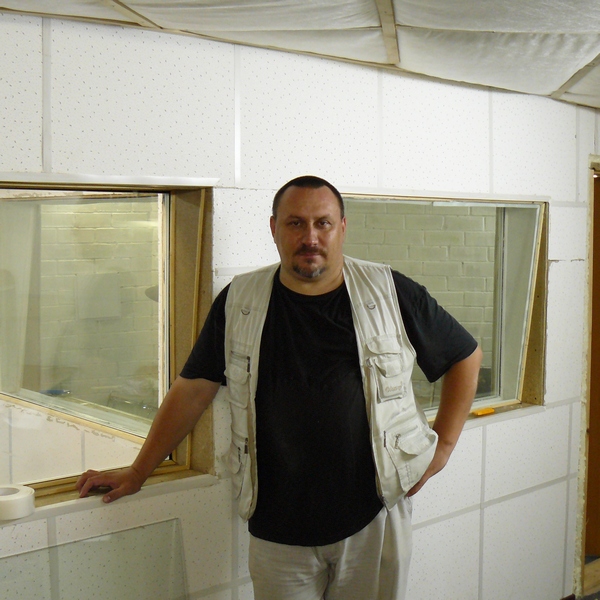
But perhaps the most unexpected dimension of this period was studio construction. Musicians would come to me not just for sound, but for space — and I would design a recording studio around whatever rooms they had available: specifying materials, planning the build, and then rolling up my sleeves and taking part in the construction itself.

I have long since left Russia. But the studios I designed and helped build are still there — still standing, still running sessions. That, in its own quiet way, feels like something worth having done.

To be continued…